
AI that understands the physical world
Physical AI is the big buzzword in robotics. It means AI that does not just process text and images on a screen, but perceives, understands and acts in the real world. For that, a machine does not have to look like a human.
Perceive, understand, act
Every Physical AI system works in three steps. Our inspection systems work exactly the same way – on every single part.
Capture the world
Cameras, matched lighting and laser and 3D sensors turn real parts into precise digital data.
Recognize what is wrong
The AI analyzes every image right at the machine – in 1 to 25 ms. It detects defects and anomalies and shows why a part was rejected.
React at line speed
The result is put into action immediately: defective parts are rejected, and the line control receives the result via industrial interfaces.
The eyes of Physical AI
AI vision systems are the most important tool for Physical AI. They are the eyes of the system and build the crucial bridge between the physical world and digital processing: what a machine cannot see, it can neither understand nor react to.
- Cameras & opticsArea and line-scan cameras with lenses matched to part, material and line speed.
- Light for every taskLighting tailored to the inspection task – up to our own coaxial lighting.
- Exact dimensions in 3DLaser triangulation adds exact dimensions to the images.
- Raw data in the gigabit rangeWith zero-copy between GPU and CPU, the image data is processed in real time.
Physical AI does not need a humanoid robot
When people think of Physical AI, they often picture robots with arms and legs. But the humanoid form is not always the best option: a machine with Physical AI can just as well be a big box that takes on one task – and performs it reliably on every part.
Built for one task
Mechanics, optics, electronics, AI and software are precisely matched to that one task.
As fast as the line
Complete capture and analysis in real time – even at high production speeds.
Data stays in the plant
The AI works right at the machine. Images and results never leave your plant.
Detecting anomalies is Physical AI too
To detect a defect, a machine has to understand what a good part looks like in the real world – with all its natural variation in material, shape and light. Only then can it reliably tell what is a deviation and what is not.
- Learning from a good partWith Teach & Go, the system learns new products in seconds to minutes – no programming required.
- Unknown defects tooAnomaly detection finds deviations from the good state without every defect type having to be shown first.
- Visibly explainedA heatmap shows where the AI found the deviation.


A platform that also controls the machine
Our platform does more than analyze images. It can also control a complete machine – from the lighting and rejection to the connection to robots and the line control.
Own electronics
We develop controllers and circuit boards in-house and match them to the sensors and the AI.
Industrial interfaces
Connection to your line via established standards such as OPC UA, PROFINET, PROFIBUS and TCP/IP.
Secure in operation
The systems run Wahtari OS: read-only, signed and without open ports. Remote access is only possible with your approval via the Wahtari Platform.
Physical AI that is already at work
Our systems do not look like robots. They are machines that understand the physical world and react to it.

Empty-glass inspection
nScan inspects every bottle on the conveyor and rejects defective ones – and checks that the rejection was successful.
Learn more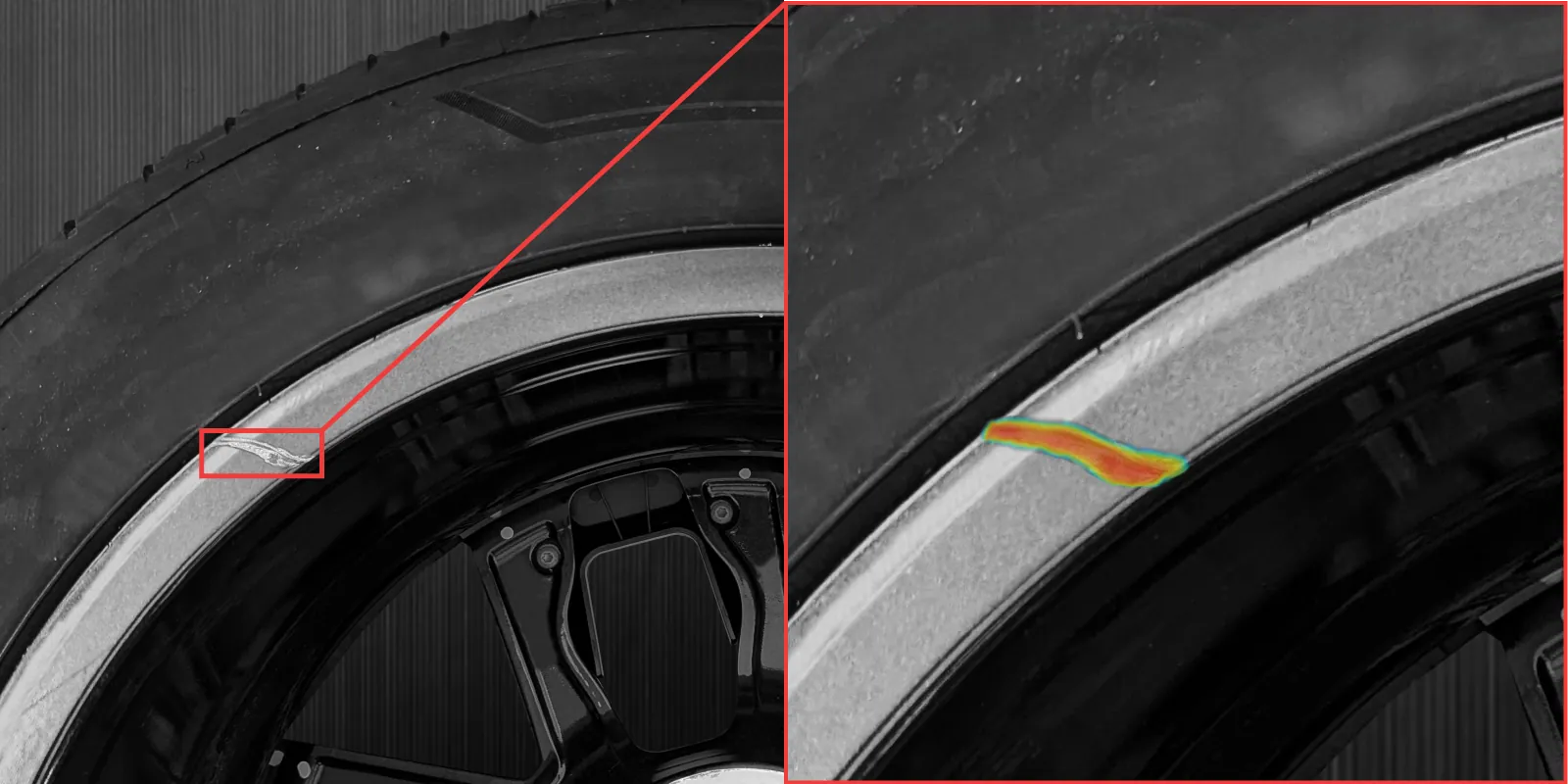
nTire
End-of-line inspection in complete wheel assembly: anomaly detection, tire measurement and DOT recognition.
Learn more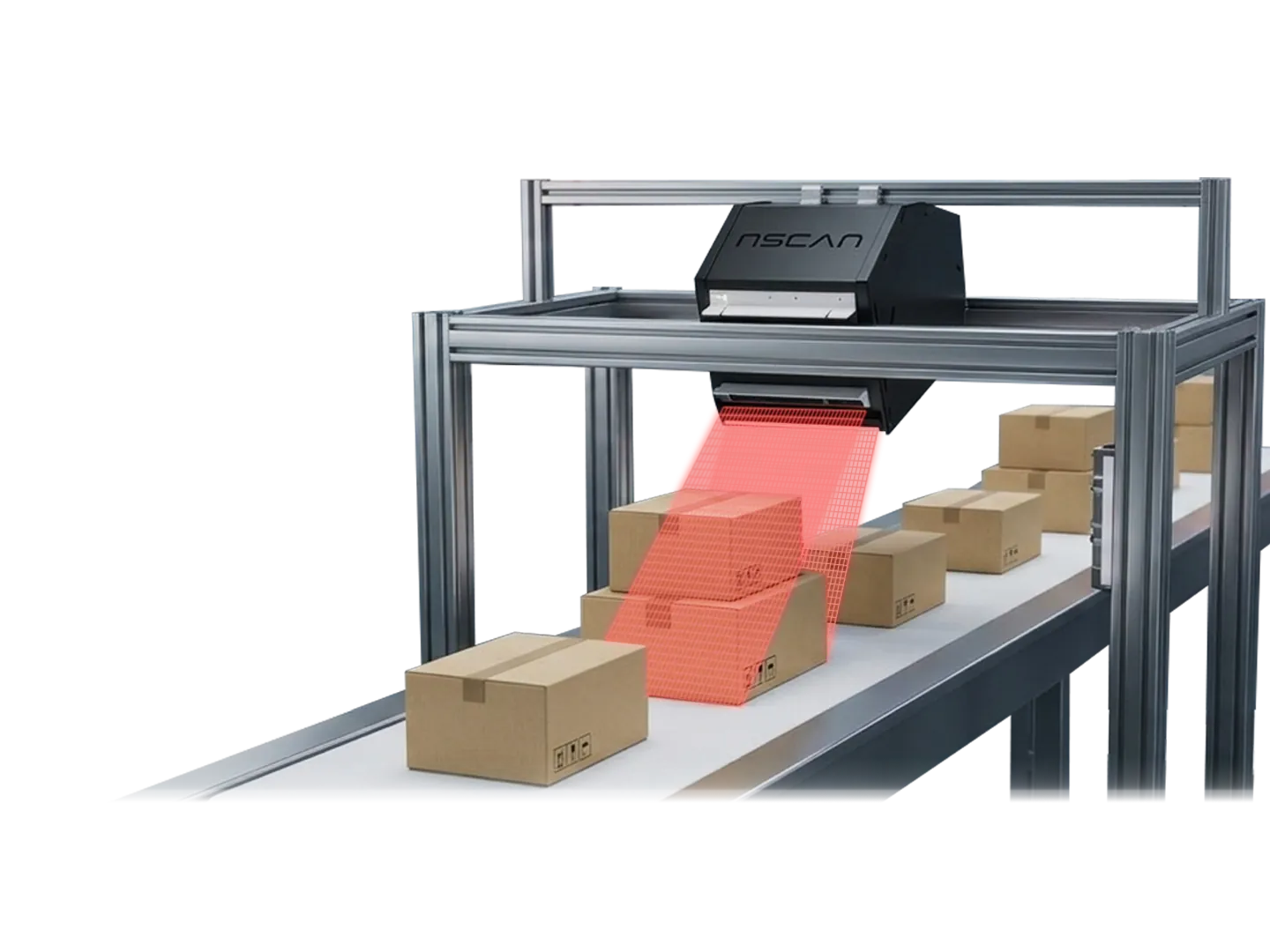
nScan multi-sensor
Flexible inspection of complex objects – optionally guided by robot arms.
Learn moreWant to learn more about our inspection systems?
Get in touch and one of our experts will get back to you shortly.